Is Cinnamon Twig Extract the Same Thing as Cinnamon Bark Extract?
Here’s a mistake we see more often than you’d think. A buyer asks for cinnamon twig extract, and the quote that comes back is for bark. Or the other way around. Both are cinnamon, both smell like cinnamon, and in a quick email thread nobody notices. Then the sample arrives, the taste is off, the color is off, and the COA doesn’t match what was expected.
So let’s sort the names out. Mixing them up costs more than it looks.
Twig, Bark and Quill Are Different Parts
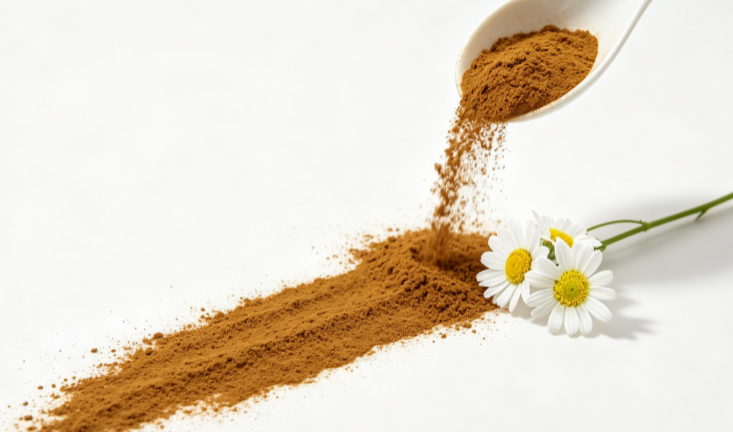
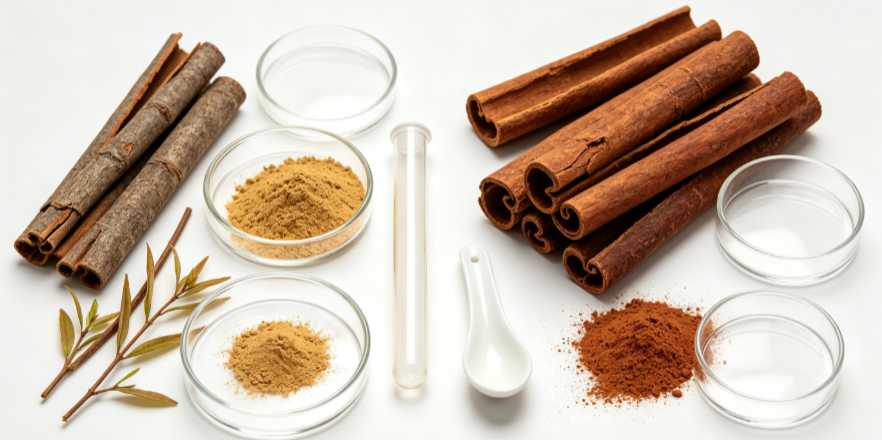
Twig means the young, thin shoots of the tree, known as gui zhi in the Chinese herbal trade. The USP monograph describes cassia twig powder as dried twigs collected in spring or summer. Bark is the thicker material peeled from the trunk and branches, which is what most people picture in a spice jar. Quills are the rolled sticks of that bark.
Twig tends to be milder and woodier in aroma than bark, without the sweet, hot punch. It also carries more woody material, so the extract behaves differently in a formula. Ask for the plant part in writing. The same USP monograph lists several other Cinnamomum barks as possible confounding materials, which tells you identity checks are not a formality.
Cassia and Ceylon Are Different Plants
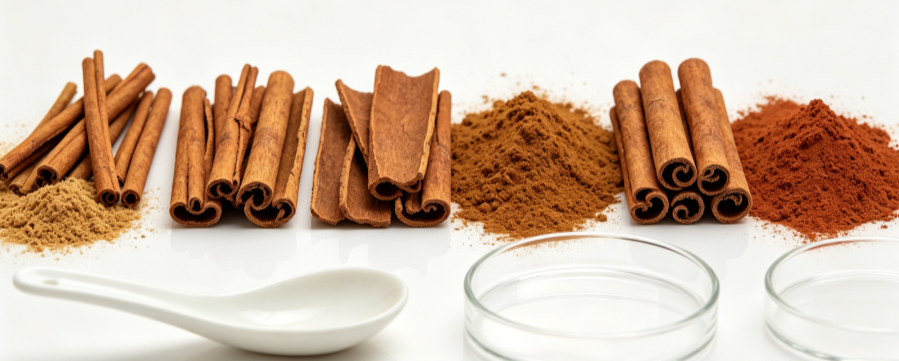
Most twig material and most bulk cinnamon powder is Cinnamomum cassia, the Chinese or Indonesian type. Ceylon is Cinnamomum verum, grown mainly in Sri Lanka. It is sweeter, more delicate, and costs more. Cassia sold as Ceylon is a known problem in the cinnamon trade, so don’t take a label at face value.
The chemistry differs too. Cassia is higher in cinnamaldehyde, the compound behind that classic cinnamon aroma. Coumarin is the other big difference. Ceylon holds only trace amounts, while cassia is often quoted around 0.4 to 0.8 percent.
Coumarin Is Really a Paperwork Question
In Europe, regulators set limits for coumarin in some foods, bakery goods in particular. If you sell cassia based products there, you need coumarin results by HPLC for every lot. That isn’t a reason to avoid cassia. It’s a reason to ask the right questions, and to find out whether the extract process raised or lowered coumarin.
People often ask us for the best cinnamon powder. Best for what? Baking wants sweetness and color. A seasoning wants a bold flavor at a sensible price. A capsule wants a defined marker you can put on a label. Start with the job, then pick the species and part.
Putting It Into a Purchase Order
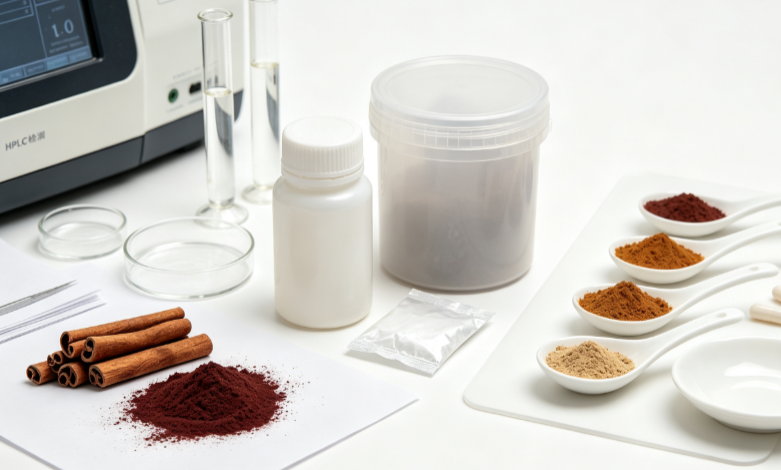
For bulk cinnamon powder, write down the botanical name, the plant part, the origin and the mesh size. Then moisture, ash, cinnamaldehyde and coumarin by HPLC, heavy metals, pesticide results and microbial limits, with Salmonella absent.
Ground cinnamon fades faster than whole pieces, so ask for the production date and the shelf life, and expect sealed, moisture proof packing in a cool, dark room.
If you’re building a cinnamon extract supplement, remember that a ratio such as 10:1 only says how much raw material went in. It tells you nothing about the cinnamaldehyde content, so ask for that number directly.
Run a small trial first. Taste and color are easy to judge and hard to fix later.
If you’re not sure which part and which species your product needs, send us the formula and we’ll help narrow it down. You can start with our premium bulk cinnamon twig extract. We supply it with complete COA documentation and clearly defined product specifications. Sample requests and quotes are available directly from our sales team.