


Rosemary Leaf Extract
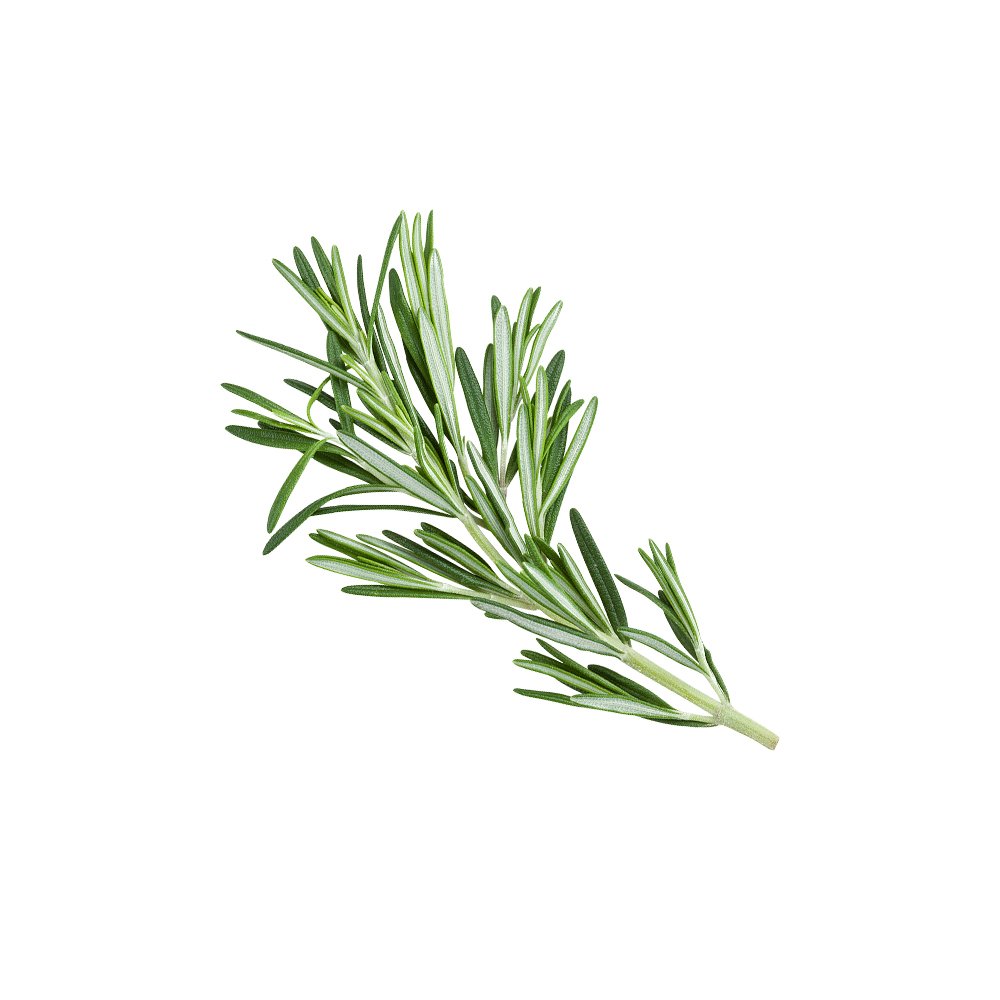
Botanical Source: Rosmarinus officinalis
Specification: 20%
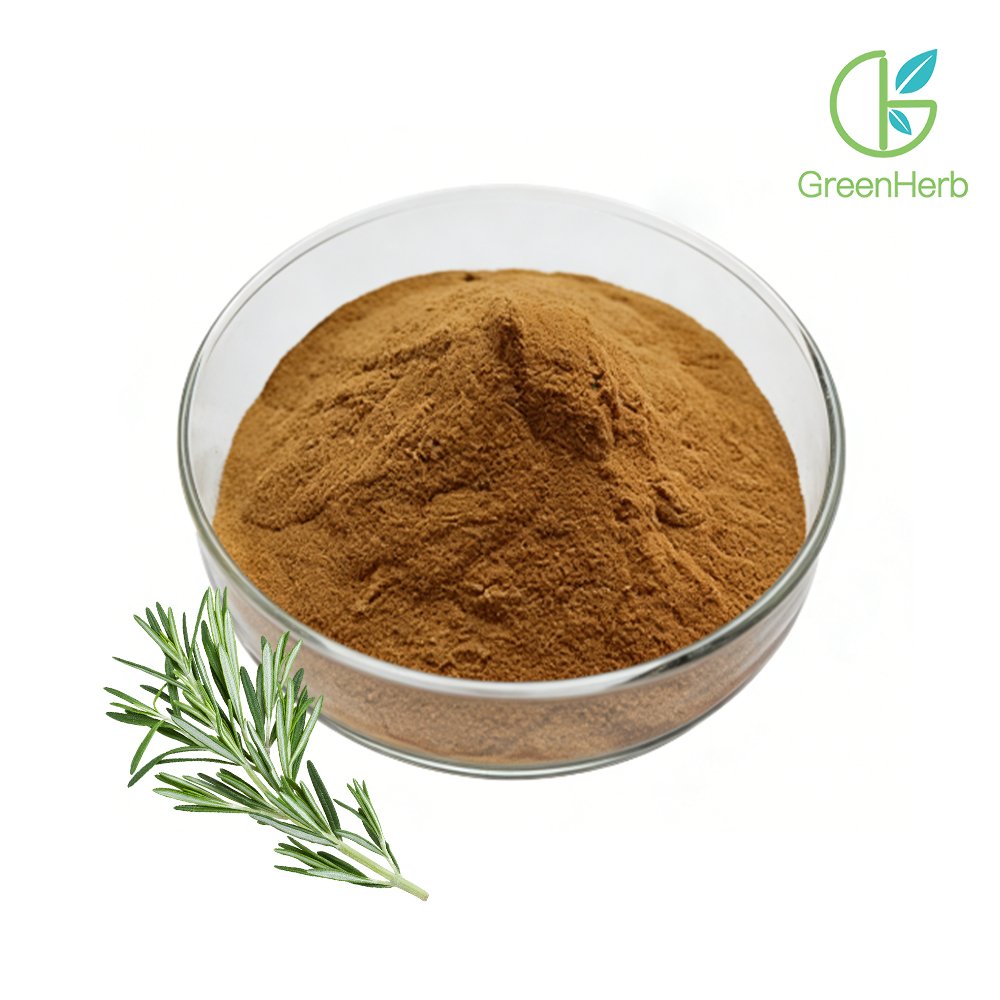
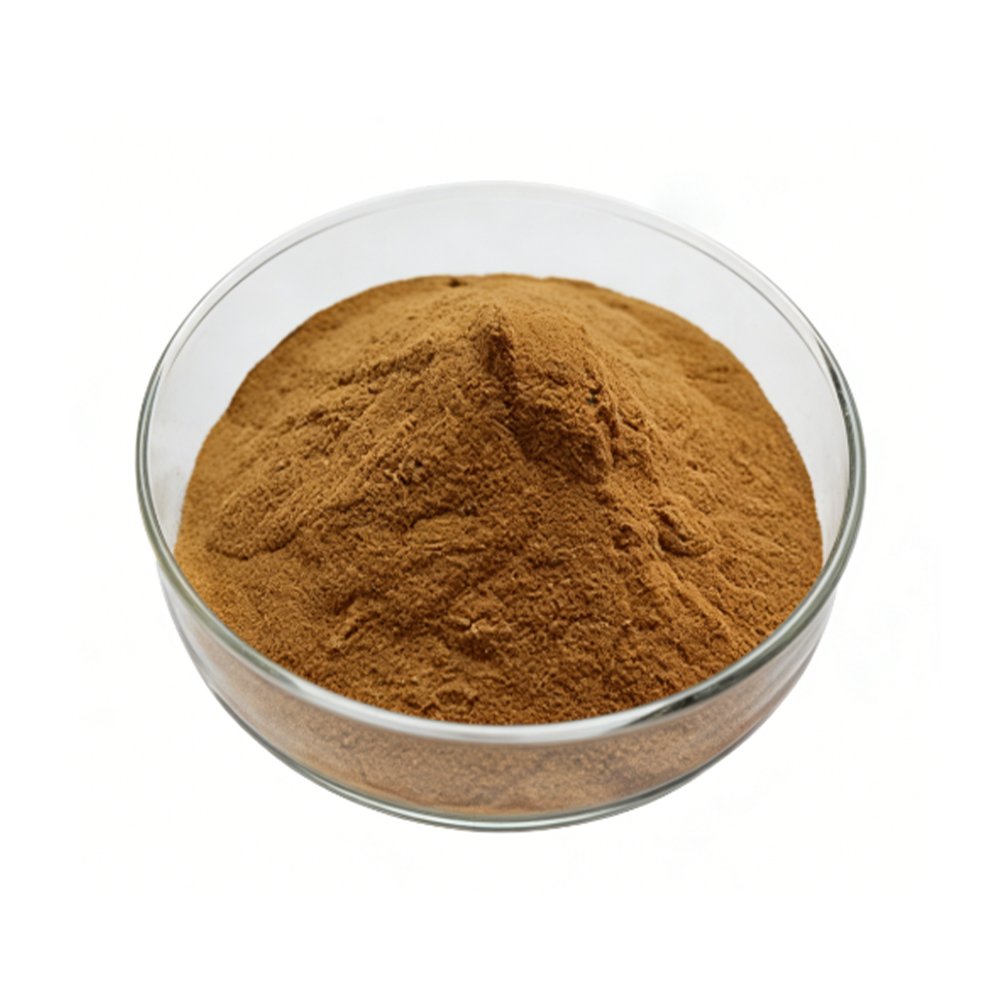
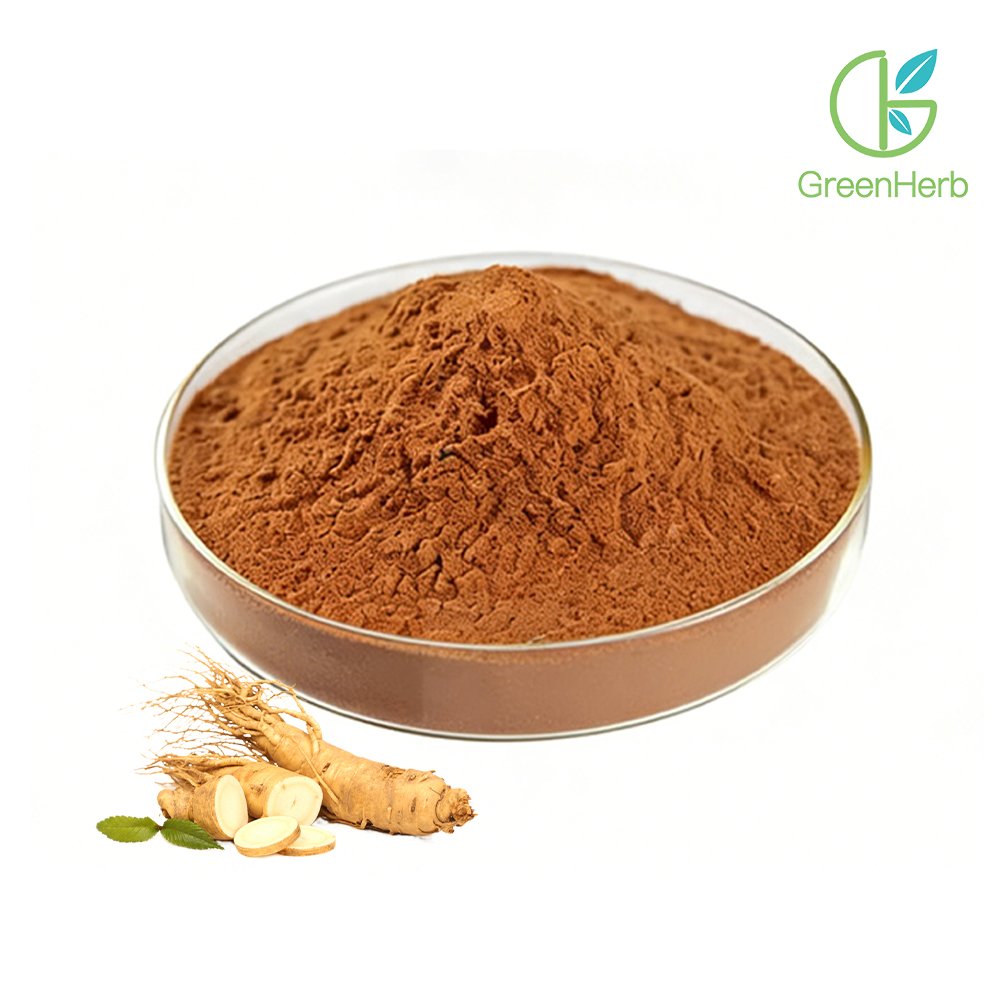
Appearance: Brown Yellow Fine powder
Used Part: Leaf
Test Method: HPLC
MOQ: 1 kg
Sample: 20 g
Packing: 1 kg in aluminum foil bag; 25 kg in fibre drum
Delivery: FedEx, DHL, air shipment, sea shipment
Certifications: ISO, HACCP, KOSHER, HALAL, BRC
Features:
Non-irradiated
GMO-free, allergen-free, TSE/BSE-free
Not treated with ETO during production, storage, or transportation
Product Description
Reliable Rosemary Leaf Extract Manufacturer & Bulk Supplier
Greenherb operates a certified processing facility specializing in Rosemary Leaf Extract, a standardized polyphenol and diterpene-rich botanical ingredient derived from the leaves of Rosmarinus officinalis through controlled hydroalcoholic extraction and spray drying. Our production system delivers consistent carnosic acid and rosmarinic acid dual standardization, verified botanical identity, and batch-level documentation. This provides food ingredient manufacturers, supplement formulators, and cosmetic ingredient developers with a dependable supply of this widely recognized antioxidant herb extract.
Why Choose Greenherb Rosemary Leaf Extract
Dual Active Compound Standardization
Each batch is verified by HPLC for both carnosic acid and rosmarinic acid content. These two compounds represent distinct functional fractions of Rosmarinus officinalis leaf. Carnosic acid and carnosol are lipophilic diterpene phenols recognized as the primary natural antioxidant compounds for food preservation applications. Rosmarinic acid is the water-soluble phenylpropanoid marker associated with the herb's wellness positioning. Dual standardization captures both fractions simultaneously.
Natural Food Antioxidant Application Capability
Carnosic acid and carnosol are the active compounds behind rosemary extract's regulatory recognized function as a natural food antioxidant. Our extract meets the purity and specification requirements for use as a natural antioxidant food additive under international food additive frameworks. This regulatory-recognized food functionality distinguishes Rosemary Leaf Extract from most other botanical extract ingredients.
Leaf-Exclusive Raw Material
Our extract is derived from the leaves of Rosmarinus officinalis. The leaf is the primary site of carnosic acid and essential oil accumulation. Using leaf material exclusively avoids dilution by stem and woody branch fractions with lower active compound concentrations.
Hydroalcoholic Extraction Selectivity
Our water-alcohol extraction system concentrates both the lipophilic carnosic acid fraction and the water-soluble rosmarinic acid fraction simultaneously. Extraction parameters are optimized to achieve maximum dual-compound recovery within a single extraction cycle.
Spray-Dried Powder Stability
Liquid extract is converted to free-flowing powder through controlled spray drying. This improves oxidative stability of the carnosic acid fraction. The powder integrates directly into food premix systems and supplement capsule filling operations.
Heavy Metal and Pesticide Compliance
Every lot undergoes ICP-MS heavy metal screening and GC/LC-MS pesticide residue analysis. Results are verified against EU and US regulatory thresholds before release.
Flexible Concentration Tiers
We offer multiple carnosic acid standardization levels. These range from standard food antioxidant specifications through premium supplement-grade concentrations. A single supply relationship accommodates diverse application requirements.
Complete Export Documentation
Each shipment includes COA, MSDS, Non-GMO affidavit, carnosic acid certificate, and heavy metal test report. These support regulatory submissions across international food and supplement markets.
Certificate of Analysis
| Item | Specification | Test result |
| Assay Rosmarinic acid | ≥20.0% | 20.10% HPLC |
| Physical Control | ||
| Appearance | Yellow Brown Fine Powder | Complies |
| Odor | Characteristic | Complies |
| Taste | Characteristic | Complies |
| Part Used | Leaf | Complies |
| Loss on Drying | ≤5.0% | Complies |
| Ash | ≤5.0% | Complies |
| Particle size | 95% pass 80 mesh | Complies |
| Allergens | None | Complies |
| Chemical Control | ||
| Heavy metals | NMT 20ppm | Complies |
| Arsenic (As) | NMT 2ppm | Complies |
| Mercury(Hg) | NMT0.1ppm | Complies |
| Lead (Pb) | NMT3ppm | Complies |
| Cadmium(Cd) | NMT 1ppm | Complies |
| GMO Status | GMO Free | Complies |
| Microbiological Control | ||
| Total Plate Count | 10,000cfu/g Max | Complies |
| Yeast & Mold | 1,000cfu/g Max | Complies |
| Coliforms | Negative | Negative |
| E.Coli | Negative | Negative |
| Salmonella sp. | Negative | Negative |
What Is Rosemary Leaf Extract
The Plant and Its Dual Active Fractions
Rosmarinus officinalis is an aromatic perennial shrub in the Lamiaceae family. Its leaves contain two functionally distinct bioactive fractions. The lipophilic fraction, dominated by carnosic acid and carnosol, provides potent antioxidant activity particularly effective in fat-containing food systems. The water-soluble fraction, dominated by rosmarinic acid, contributes antioxidant activity in aqueous environments and underpins the herb's wellness positioning in supplement applications. This dual-fraction identity makes rosemary leaf extract uniquely versatile across both food technology and supplement formulation contexts.
Extract vs. Rosemary Leaf Powder
Rosemary leaf powder is produced through simple mechanical reduction of dried leaf material. It retains all leaf components at naturally occurring concentrations alongside significant essential oil content, chlorophyll, and insoluble fiber. Rosemary Leaf Extract undergoes selective hydroalcoholic extraction to concentrate the carnosic acid and rosmarinic acid fractions to defined analytical specifications. This concentration delivers a consistent and measurable active compound content per gram. It eliminates the essential oil volatility and green color challenges associated with whole leaf powder in food manufacturing applications.
Regulatory Background as a Natural Antioxidant
Rosemary extract is one of very few botanical extracts with specific food additive regulatory recognition as a natural antioxidant. It is approved under EU food additive regulations as E392. The US FDA has recognized certain rosemary extract preparations as Generally Recognized as Safe for antioxidant use in specified food categories. This regulatory status is based specifically on the carnosic acid and carnosol content of the extract. It underpins the food preservation application positioning of Rosemary Leaf Extract as a natural alternative to synthetic antioxidants such as BHA and BHT.
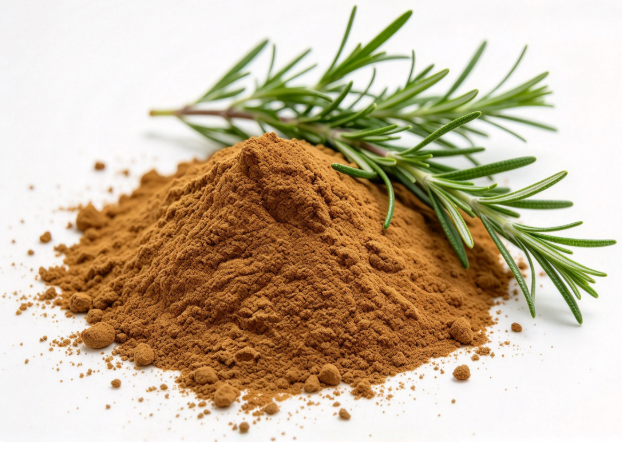
Production Process
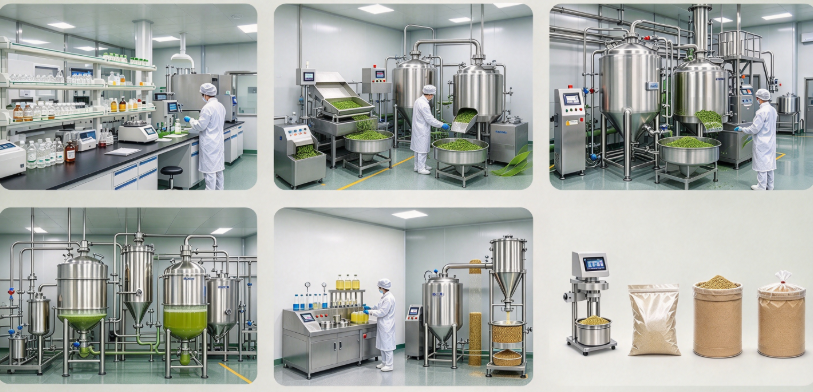
Leaf Sourcing and Qualification
Incoming Rosmarinus officinalis leaves are authenticated by botanical identity verification and HPLC fingerprinting. Carnosic acid and rosmarinic acid content, moisture, heavy metals, pesticide residues, and microbiological status are screened. Only qualified leaf material meeting incoming specification proceeds to extraction.
Cleaning and Size Reduction
Qualified leaves undergo mechanical cleaning to remove stems, foreign matter, and substandard material. Material is reduced to a defined particle size. This maximizes solvent contact surface area and optimizes dual-fraction extraction efficiency.
Hydroalcoholic Extraction
Ground leaf material is extracted using a controlled water-alcohol system. Temperature, time, and solvent-to-material ratio are managed to achieve simultaneous optimal recovery of both carnosic acid and rosmarinic acid fractions from the leaf matrix.
Filtration and Clarification
Crude extract solution undergoes multi-stage filtration. Insoluble leaf fiber, chlorophyll aggregates, and wax compounds are removed. The result is a clarified dual-active liquid extract.
Concentration Under Reduced Pressure
Filtered extract is concentrated under vacuum at controlled temperatures. Solvent is recovered while preserving thermally sensitive carnosic acid and rosmarinic acid compounds. This prepares the extract for dual-marker standardization.
Dual-Marker Standardization
Concentrated extract is measured by HPLC for both carnosic acid and rosmarinic acid content independently. Controlled blending achieves target specifications for both markers simultaneously. This ensures complete active fraction representation across every production batch.
Spray Drying
Standardized extract is atomized and dried at controlled temperatures with food-grade carrier support. This produces a uniform, free-flowing light yellow to tan powder with stable carnosic acid content.
Quality Release Testing
Each lot is tested for carnosic acid content, rosmarinic acid content, moisture, heavy metals, pesticide residues, and microbiological compliance. Batches are released only after both active marker specifications are confirmed.
Protective Packaging
Powder is sealed in double-layer PE inner bags with desiccants and oxygen absorbers. Drums are light-proof and nitrogen-flushed. This protects carnosic acid and carnosol from oxidative degradation during storage and transit.
Functional Properties & Benefits
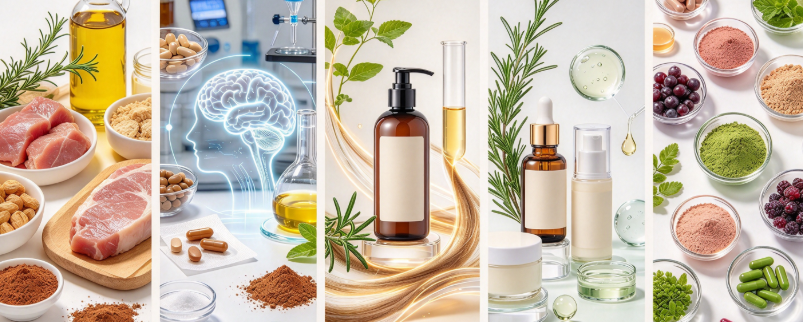
Natural Food Antioxidant and Lipid Oxidation Protection
Rosemary Leaf Extract is incorporated as a natural antioxidant in food manufacturing systems. The carnosic acid fraction provides antioxidant protection in fat-containing food matrices. It inhibits lipid peroxidation chain reactions. This extends the oxidative shelf life of oils, fats, meat products, and fat-containing food formulations as a regulatory-recognized natural alternative to synthetic antioxidants.
Cognitive Clarity and Memory Comfort Support
Rosemary Leaf Extract is incorporated into cognitive wellness and brain health supplement formulations. The rosmarinic acid and carnosic acid compounds contribute to products designed to support mental clarity, memory comfort, and a focused cognitive state during demanding daily routines.
Antioxidant Activity in Supplement Context
The dual polyphenol and diterpene antioxidant matrix contributes meaningful combined antioxidant capacity to finished formulations. This supports product positioning in everyday cellular protection categories alongside the primary food antioxidant and cognitive wellness positioning concepts.
Scalp and Hair Wellness Support
Some hair wellness and scalp comfort formulations incorporate Rosemary Leaf Extract. These products target scalp circulation comfort and a healthy hair appearance over consistent topical or ingestible use. The extract's antioxidant and polyphenol content supports natural hair wellness product positioning.
Digestive Comfort Support
Rosemary has a traditional association with digestive comfort in European herbal traditions. Some supplement formulations incorporate Rosemary Leaf Extract for its contribution to comfortable bile flow and a settled digestive experience during daily routines.
Antimicrobial Wellness Complement
The combined carnosic acid and rosmarinic acid content contributes to formulations targeting antimicrobial wellness comfort. This adds a secondary functional dimension in food preservation and natural wellness supplement contexts beyond primary antioxidant activity.
Applications
Natural Food Antioxidant in Food Manufacturing
Primary commercial application for Rosemary Leaf Extract. Natural antioxidant in oils, fats, meat products, snack foods, and processed food systems where carnosic acid-based lipid oxidation protection extends product shelf life as a regulatory-recognized rosemary leaf natural antioxidant additive alternative to synthetic BHA and BHT.
Cognitive and Brain Wellness Supplements
Capsule, tablet, and powder sachet supplement formulations incorporating Rosemary Leaf Extract for cognitive clarity, memory comfort, and brain wellness positioning. Dual carnosic acid and rosmarinic acid standardization, confirmed Rosmarinus officinalis botanical identity, and comprehensive documentation support finished product positioning.
Hair and Scalp Wellness Products
Topical hair care formulations and ingestible hair wellness supplements incorporate Rosemary Leaf Extract for scalp circulation comfort and healthy hair appearance support. Natural botanical origin and polyphenol content support clean beauty and natural hair wellness product positioning.
Cosmeceuticals and Antioxidant Skin Care
Active botanical antioxidant ingredient in facial formulations, anti-aging serums, and skin protective products where carnosic acid content provides antioxidant protection within topical cosmetic matrices and supports anti-aging wellness product positioning.
Multi-Ingredient Antioxidant Wellness Supplements
Multi-ingredient antioxidant formulations combine Rosemary Leaf Extract with complementary high-ORAC botanical ingredients. Daily cellular protection and oxidative stress comfort are primary positioning concepts in this supplement category.
Contact Greenherb for Rosemary Leaf Extract Supply
Greenherb supplies Rosemary Leaf Extract with verified carnosic acid and rosmarinic acid profiles, backed by comprehensive third-party testing. We offer flexible order quantities from laboratory samples to full container loads. Customized carnosic acid standardization tiers, food-grade and supplement-grade specifications, and particle size options are available on request. For immediate assistance, contact our sourcing team directly.
Greenherb – Your Strategic Partner for Botanical Ingredients and Functional Foods.
Send Product Inquiry